How did one banned film win all movies free speech protection?
Picketers called it an insult to every decent woman. New York banned it as 'sacrilegious'. The Supreme Court used it to decide movies deserved the First Amendment after all.
▶ Start the storyMovies in the United States spent nearly four decades with no free speech protection at all, because a 1915 Supreme Court ruling treated them as mere business, not expression. That changed because of a short Italian film, and the backlash it caused.
The Miracle, directed by Roberto Rossellini and starring Anna Magnani as a disturbed peasant who believes she is the Virgin Mary after a stranger, played by Federico Fellini, leaves her pregnant, opened in New York in late 1950 under the title Ways of Love and was even named the year's best foreign film by local critics. It also enraged a lot of people: protesters picketed the theater with signs calling it an insult to decent women, and the New York State Board of Regents was flooded with hundreds of letters attacking, and defending, the film. The state ruled it 'sacrilegious' under an existing law and pulled its license in February 1951.
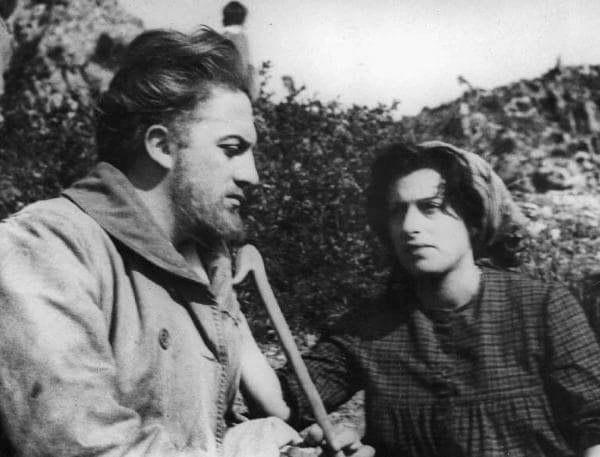
Distributor Joseph Burstyn fought back all the way to the Supreme Court, arguing the law violated his freedom of speech and press, improperly mixed church and state, and used a word, 'sacrilegious', far too vague to apply fairly. In 1952, the Court agreed, ruling that film was an artistic medium entitled to First Amendment protection and explicitly overturning its 1915 ruling that had treated movies as outside free speech protections entirely. Films could still be censored under narrowly drawn obscenity laws, and many states and cities kept censoring for years — Maryland until 1981 — but the Burstyn case was the turning point, the precedent used in many later challenges to film censorship.
Quiz me
0/3
Recap
A short Italian film about a peasant who believes she is the Virgin Mary is the case that won American movies free speech protection.
Surprising fact · The banned film at the center of the case, The Miracle, had just been named the year's best foreign language film by New York's own film critics before the state revoked its license.
Sources (1)
No source, no claim. Every fact in this lesson (14 claims) cites at least one of these.