What did chess look like before it became chess?
The most powerful piece on the board today, the queen, started out as the weakest piece in the game, able to creep exactly one square at a time.
▶ Start the storyBefore chess was chess, it was shatranj, an old form of the game played in the Sasanian Empire, itself descended from the Indian game of chaturanga. The name even carries that history inside it: the Persian word shatranj traces back to the Sanskrit caturaṅga, meaning roughly 'four arms'. Legend even dresses up its arrival in Persia: during the reign of King Khosrau I in the 6th century, an Indian king is said to have sent a chess set carved from emerald and ruby, along with a challenge that Khosrau's courtiers had to solve.
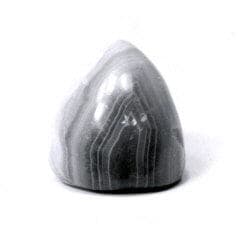
The board and the 16 pieces per side would look familiar today, but the rules absolutely would not. In the earliest Indian version, you could simply capture the enemy king outright and win on the spot, no warning required. Persian players found that too abrupt and introduced the idea of announcing that a king was under attack, what we'd now call 'check', and later ruled that a king could never be moved into check at all. From then on, the only way to win was checkmate, trapping the king rather than snatching him off the board.
The real surprise is how weak some familiar pieces used to be. The piece that became our queen, called the ferz or 'counselor' in shatranj, could creep exactly one square diagonally and nothing more, a genuinely feeble piece. The piece that became our bishop, called the pīl or 'elephant', could only leap exactly two squares diagonally, jumping clean over whatever sat in between, which meant it could only ever reach an eighth of the squares on the whole board.
Chess spread with the expansion of Islam into North Africa and then Spain, and from there into the rest of Europe, slowly morphing as it travelled. The pivotal change happened late, in Spain's Kingdom of Valencia sometime between 1475 and 1500, when the queen and bishop suddenly got the sweeping modern moves we'd recognize instantly. The earliest record of it is a 1475 Catalan poem, and the new version was nicknamed 'Mad Queen Chess', because unleashing the queen's full power made the whole game faster and far more dangerous.
Quiz me
0/3
Recap
Chess's queen was once a weak piece that moved one square diagonally, and its bishop was once an 'elephant' that jumped exactly two squares diagonally, reaching only an eighth of the board.
Surprising fact · In shatranj the bishop's ancestor, the pīl or 'elephant', could reach only an eighth of the board, so two pīls could never capture each other.
Sources (2)
No source, no claim. Every fact in this lesson (10 claims) cites at least one of these.