Why does testing yourself beat rereading your notes?
Francis Bacon knew it in 1620: reading a text ten times while trying to recite it beats reading it twenty times.
▶ Start the storyTesting yourself beats rereading because pulling information out of your memory strengthens it far more than looking at it again. Psychologists call this the testing effect, or retrieval practice: long-term memory improves when part of your study time is spent trying to recall what you learned, rather than reviewing it. A test, in other words, isn't just a way to measure learning. It is a way to learn.
The trap is that rereading feels better in the moment. Right after a session, words you simply restudied are often recalled better than words you tested yourself on. But as time passes, the tested words win. Rereading makes material look familiar; recalling it builds a route back to it that you can use again later.
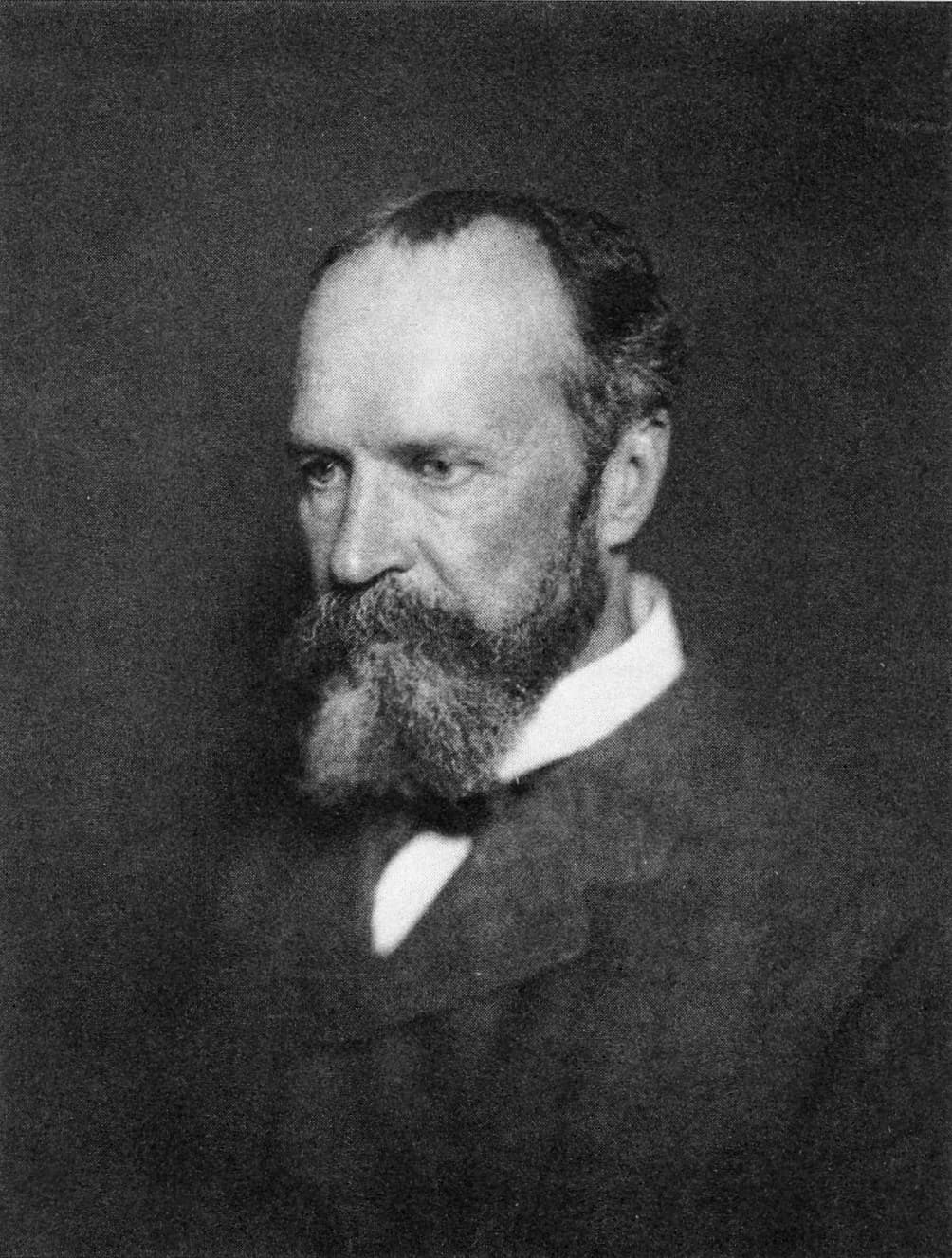
This is an old discovery. In 1620 Francis Bacon wrote that reading a text twenty times won't fix it in memory as well as reading it ten times while trying to recite it, and checking the page only when your memory fails. In 1890 William James put it simply: we remember better through active than passive repetition. The first experiments on the effect were published in 1909 by Edwina Abbott.
The effort is the point. Difficult but successful recall is better for memory than easy recall, and even a failed attempt can help, as long as you then check the right answer. Short-answer questions beat multiple choice. Oddly, students tend not to see retrieval practice as a useful way to study, so it is one of the most underused tools around.
Quiz me
0/3
Recap
Close the book, try to remember, then check: the effort of recall is what makes it stick.
Surprising fact · Francis Bacon described the trick in 1620, nearly three centuries before Edwina Abbott's first experiments on it in 1909.
Sources (1)
No source, no claim. Every fact in this lesson (17 claims) cites at least one of these.