Did Benjamin Franklin really invent daylight saving time as a joke?
Everyone credits Franklin with inventing the clock change — but his 1784 letter was satire, and the idea that stuck came from a man campaigning against the "waste of daylight" more than a century later.
▶ Start the storyNo. Franklin's famous 1784 letter was a joke, and it didn't even propose changing the clocks. Writing in the Journal de Paris, he suggested that Parisians could save on candles simply by getting up earlier to use the morning sunlight, and proposed, tongue in cheek, taxing window shutters and waking everyone at sunrise with church bells and cannon fire. Many readers took the hoax at face value and were indignant. But despite the common misconception, Franklin never proposed daylight saving time, and 18th-century Europe didn't even keep precise schedules.
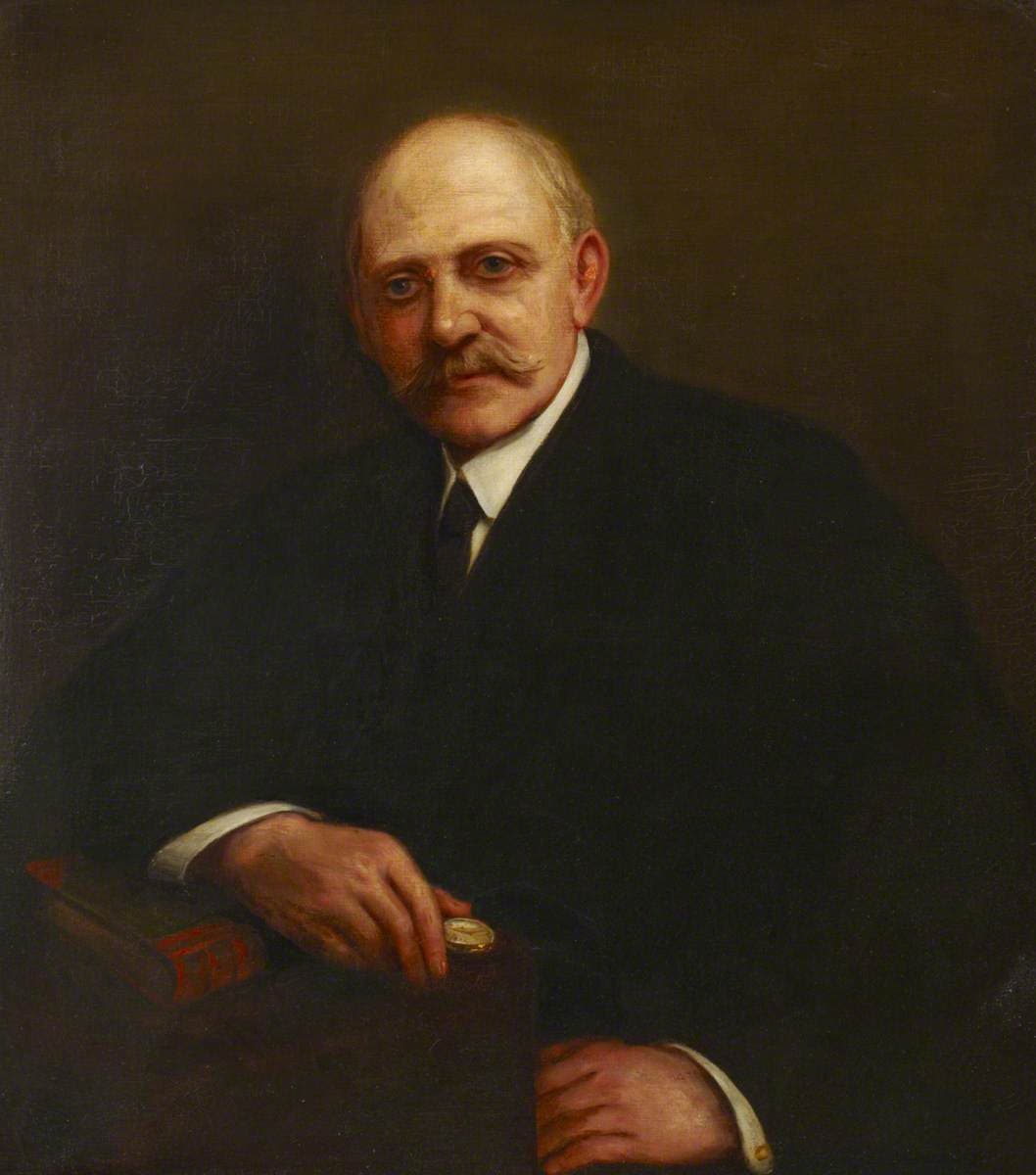
The real idea came more than a century later, from two men who wanted more light after work. In 1895, New Zealand entomologist George Hudson, whose shift work left him spare time to collect insects, made the first realistic proposal: shift the clocks by two hours every spring. In 1907, English builder William Willett had the same idea on his own during a pre-breakfast ride, when he noticed how many Londoners slept through a large part of a summer day. He campaigned against the "waste of daylight" until his death in 1915.
What finally made governments act was war. Two Canadian towns tried DST locally in 1908, but the first countries to adopt it nationwide were the German and Austro-Hungarian Empires, on 30 April 1916, as a way to conserve coal. Britain and France followed within weeks.
Today around 34 percent of the world's countries use DST, mostly in Europe and North America. It's of little use near the Equator, where daylight barely varies over the year. Supporters argue it gives people more daylight after work and saves energy, but the actual effect on overall energy use is heavily disputed.
Quiz me
0/3
Recap
Germany and Austria-Hungary were the first countries to adopt daylight saving time nationwide, both starting on the same day in 1916, during World War One.
Surprising fact · Benjamin Franklin's famous 1784 letter proposing early rising was satire, not a real proposal to change the clocks.
Sources (2)
No source, no claim. Every fact in this lesson (17 claims) cites at least one of these.