Did the Stanford prison experiment really prove that anyone can turn cruel?
The 1971 study that 'proved' ordinary students become sadistic guards is now accused of coaching its guards, and one famous breakdown was, by its own subject's later account, faked.
▶ Start the storyProbably not, at least not in the way it is usually told. The famous version says that in 1971, ordinary students randomly split into guards and prisoners in a Stanford basement turned cruel so fast that the study, planned for two weeks, had to stop after six days. The lesson drawn was that the situation, not the person, makes people abusive. But critics have since argued that the guards were coached, the results were anecdotal, and the study can't be properly repeated.
The outline of events is real. Twenty-four young men, screened for psychological stability, were assigned at random to the two roles. The "prisoners" were arrested by the real Palo Alto police. Guards got khaki uniforms, wooden batons and mirrored sunglasses. Over five days, their psychological abuse of prisoners grew worse, until the psychologist Christina Maslach confronted the lead researcher, Philip Zimbardo, and he ended it.
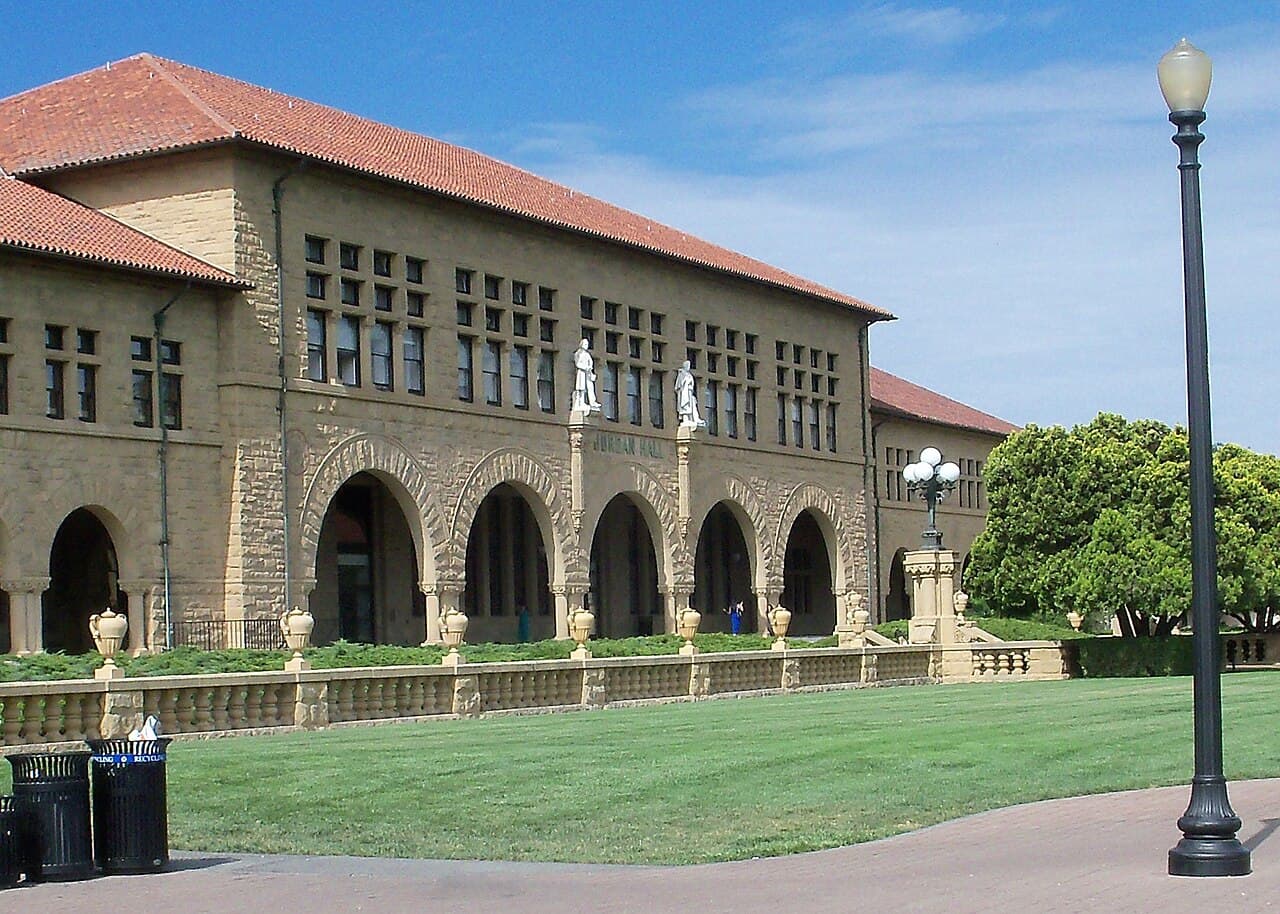
The doubts are about why it happened. Recordings show the student playing warden urging a guard to be more "tough" for the experiment. The French researcher Thibault Le Texier argued in 2018 that guards were asked directly to behave in ways that would confirm conclusions largely written in advance; Zimbardo called this mostly an attack on him. One guard said his theatre background helped him play the part. And prisoner 8612, whose breakdown became the study's most dramatic moment, said in 2017 that he had faked it to go study for an exam.
The experiment still matters, but as a lesson in how not to run a study: it helped push universities to adopt stricter ethics rules for research on people.
Quiz me
0/3
Recap
The experiment is better remembered as a warning about research ethics and coached results than as proof that anyone becomes a tyrant.
Surprising fact · Recordings show the student playing warden urging a guard to be tougher for the sake of the experiment.
Sources (1)
No source, no claim. Every fact in this lesson (24 claims) cites at least one of these.