Who invented the detective story, if it wasn't Sherlock Holmes?
Arthur Conan Doyle himself said a whole literature grew from someone else's stories. Not Holmes's: an American writer's locked-room murder, published forty-six years earlier.
▶ Start the storyAsk most people who invented the detective story and they'll say Sherlock Holmes. Arthur Conan Doyle himself disagreed. Detective fiction in English-language literature is considered to have begun in 1841, forty-six years before Holmes existed, with the publication of Edgar Allan Poe's 'The Murders in the Rue Morgue', featuring the first fictional detective, the eccentric and brilliant C. Auguste Dupin.
Dupin solves an impossible crime: a mother and daughter found dead in a Paris home, in a room locked from the inside, a setup now famous as the locked-room mystery, a subgenre Poe's story is considered to have invented. Poe called his own stories tales of ratiocination, because the point of the plot is reaching the truth through a mix of intuitive logic, close observation, and inference, rather than action or coincidence. He wrote two more Dupin stories in the years after, quietly working out what's been called a plot formula that's stayed successful ever since, give or take a few shifting variables.
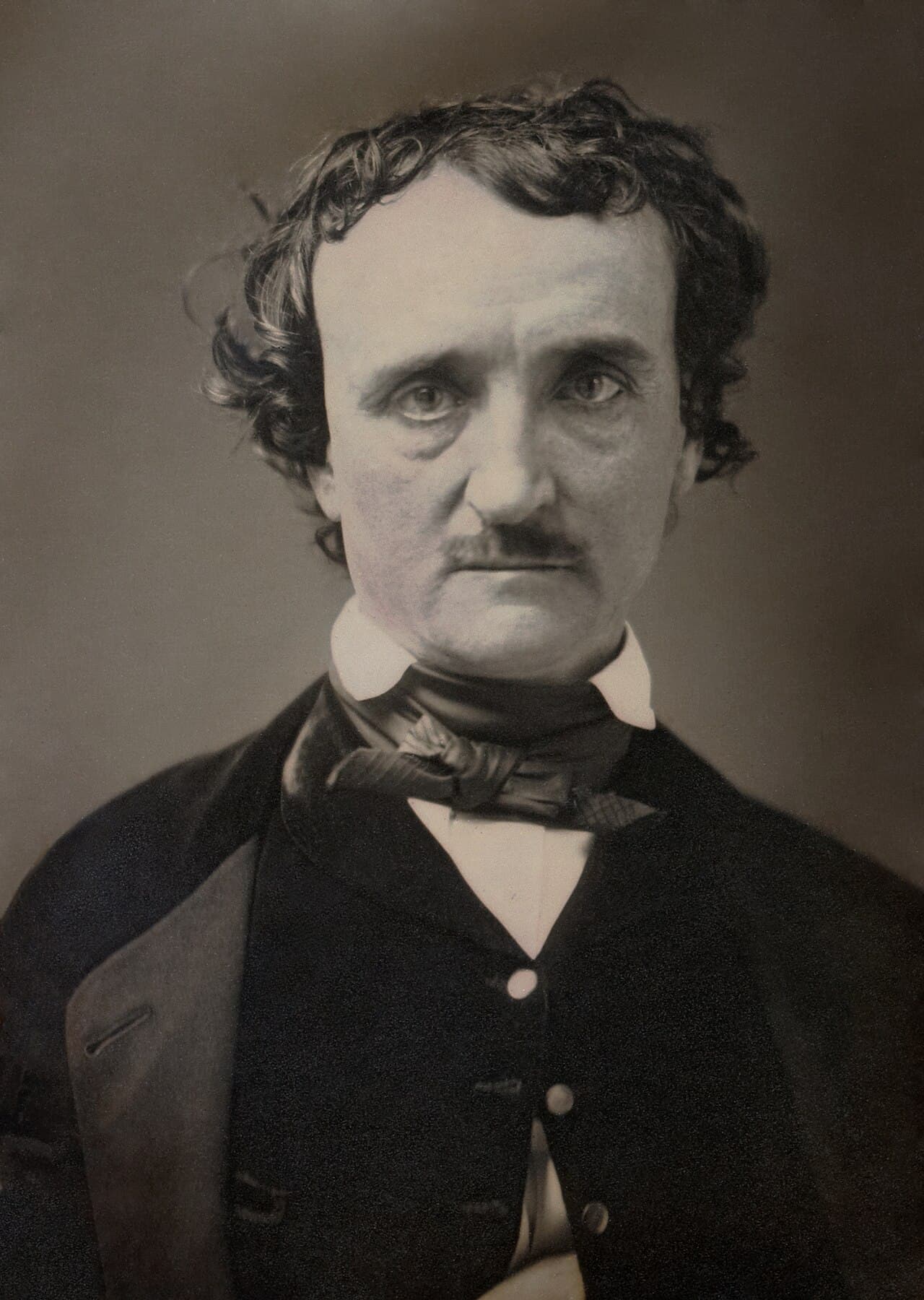
Conan Doyle gave Poe full credit, in writing. Each of Poe's detective stories, he said, is a root from which a whole literature has developed, and asked rhetorically where the detective story would even be until Poe breathed the breath of life into it. When Doyle created Sherlock Holmes in 1887, Holmes wasn't the first fictional detective: he was influenced by Poe's Dupin, among others, and Dupin is now generally acknowledged as the prototype for the fictional detectives who came after, Holmes and Agatha Christie's Hercule Poirot included.
Even Poe had earlier competition for the title. A German story from 1819, 'Das Fräulein von Scuderi,' is sometimes cited as the actual first detective story, and as a direct influence on Poe himself. And long before any of them, One Thousand and One Nights told 'The Three Apples,' called the oldest known example of a detective story, in which a vizier is ordered to solve a murder within three days or be executed himself.
Quiz me
0/3
Recap
The genre's most famous name isn't always its first: Holmes built on Dupin, Dupin built on earlier influences, and the detective story's oldest known ancestor is a vizier in One Thousand and One Nights.
Surprising fact · Sherlock Holmes debuted 46 years after Poe's Dupin, and Conan Doyle publicly asked where the detective story would be until Poe breathed life into it.
Sources (2)
No source, no claim. Every fact in this lesson (17 claims) cites at least one of these.