Why did Buddhism almost disappear from India, where it was born?
Born in India and once backed by emperors, Buddhism had been largely ousted from its homeland by about the 12th century.
▶ Start the storyBuddhism was born in India, but in a centuries-long process starting around the 4th to 6th century CE it dwindled there, and by about the 12th century it had been largely ousted by Hinduism. Lack of appeal among rural communities, who instead embraced the rituals and beliefs that developed within Hinduism, along with invasions and dwindling financial support from traders and royal patrons, were major factors behind its decline.
Buddhism had once thrived there. It expanded across the subcontinent after the Maurya emperor Ashoka endorsed it in the 3rd century BCE, and from India it spread as far as Central Asia and China. But during the Gupta Empire, Hindu traditions like Vaishnavism and Shaivism grew more popular, the line between Buddhism and Hinduism blurred, and Buddhist monasteries slowly lost control of the land revenue that had funded them. In the 6th century, the Hun ruler Mihirakula persecuted Buddhists directly, expelling monks and destroying monasteries across the northwest; the historian A. L. Basham's classic explanation for the bigger picture is that Hinduism's gods and rituals stayed connected to ordinary people's lives in a way that monastery-centered Buddhism did not.
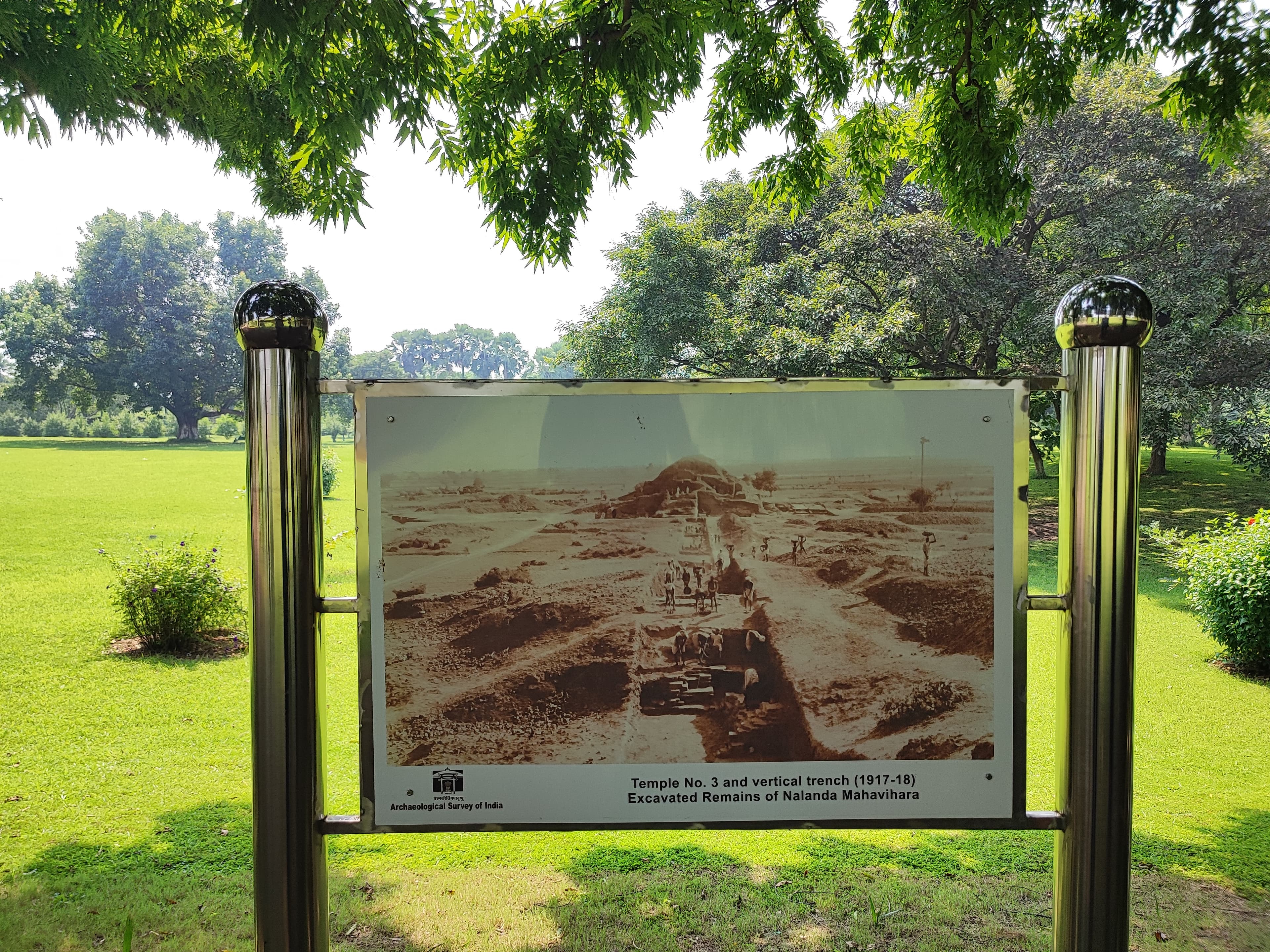
From the 11th to the 13th centuries, Turkic, Turkic-Mongolian and Mongolian forces overtook the northern Indian plains. According to scholar William Johnston, hundreds of Buddhist monasteries and shrines were destroyed, sacred texts were burned, and monks and nuns were killed across the Gangetic plains. Nalanda, one of the great Buddhist universities, was mistaken for a fort because of its walled campus; the monasteries of Odantapuri were destroyed in 1197 and Vikramashila around 1200. Many monks fled to Nepal, Tibet, and South India rather than face the advancing armies.
Buddhism never vanished from India entirely, and it later found an unexpected second life there. In 1956, the reformer B. R. Ambedkar led a mass conversion of 365,000 followers to Buddhism in Nagpur, a movement that made Marathi Buddhists India's largest Buddhist community today.
Quiz me
0/3
Recap
Buddhism was born in India but was nearly pushed out by the 12th century through religious competition, lost patronage, and invasions, before a 20th-century revival led by B. R. Ambedkar.
Surprising fact · The Buddhist university of Nalanda was reportedly mistaken for a fort because of its walled campus, and centuries later B. R. Ambedkar converted to Buddhism with 365,000 followers in Nagpur in 1956.
Sources (1)
No source, no claim. Every fact in this lesson (18 claims) cites at least one of these.