Why is 'vegetarian' a 19th-century word for an ancient practice?
Jain tradition has records of strict vegetarianism from the 9th century BCE. English only got the word 'vegetarian' around 1838, at a small school outside London.
▶ Start the storyBecause English already had an older phrase and only coined a single word in the 1830s. Before 'vegetarian' came into use around 1839, people spoke of a 'vegetable regimen' or 'vegetable diet', at a time when 'vegetable' could mean any edible plant. The practice itself is far older: in Jainism, which made strict vegetarianism an absolute duty for monks and lay followers alike, the earliest record of vegetarianism comes from the 9th century BCE.
The first written use is attributed to the actress, writer and abolitionist Fanny Kemble, in her Journal of a Residence on a Georgian plantation, written in 1838–1839. The earliest occurrences also seem tied to Alcott House, a school opened in July 1838 on Ham Common, near London, by the reformer James Pierrepont Greaves. From 1841 it was known as A Concordium, or Industry Harmony College, and its pamphlet, The Healthian, contains some of the earliest appearances of the word. Dictionaries explain it as 'vegetable' plus the suffix '-arian', as in 'agrarian'.
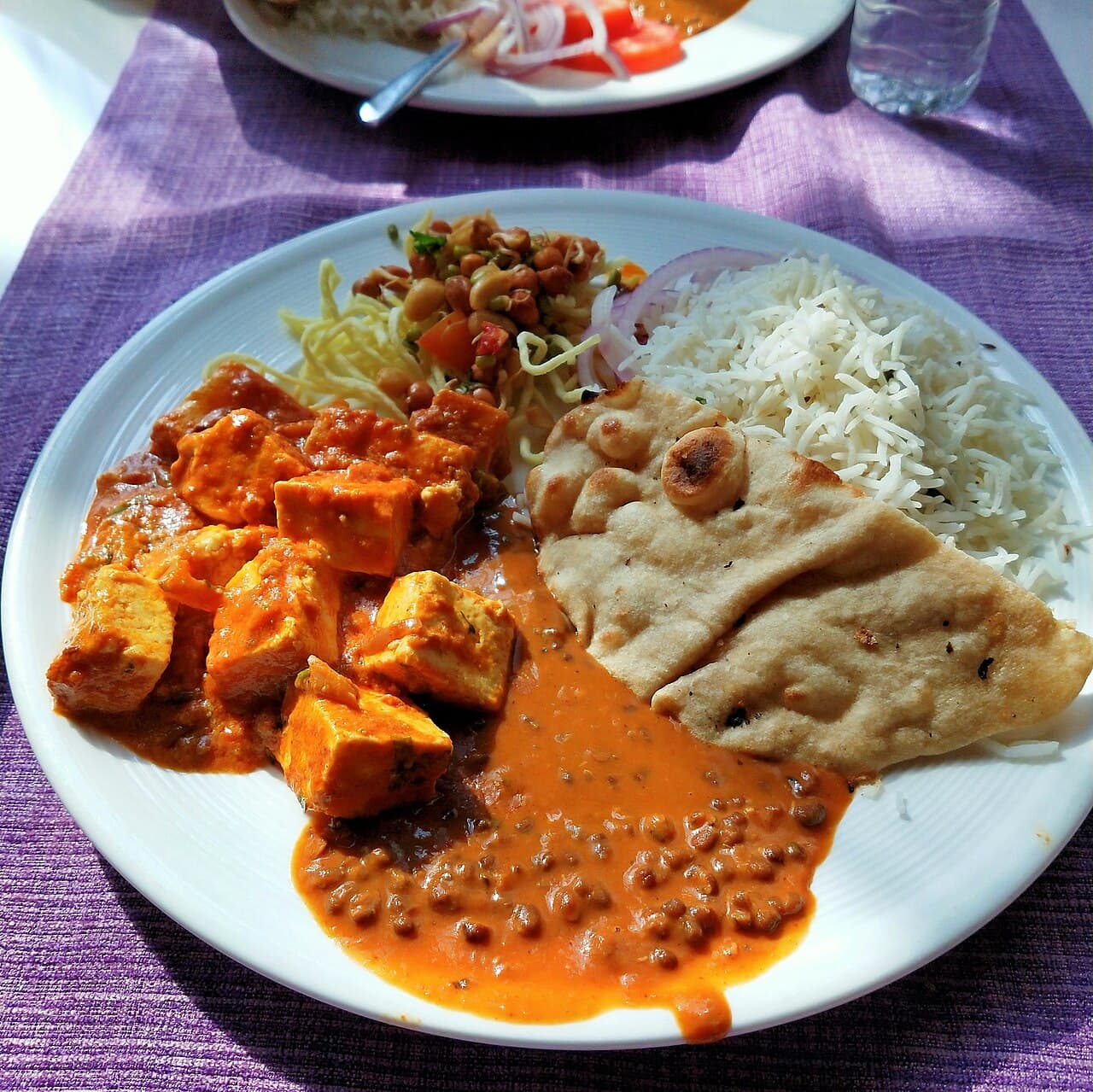
The word went mainstream after the Vegetarian Society was founded in Manchester in 1847. In 1893, at the first World's Parliament of Religions in Chicago, the Jain delegate Virchand Gandhi became one of the first people to defend Jain vegetarianism before a Western audience, challenging the assumption that a meatless diet made people weak. Older still, a 2025 study of nitrogen isotopes in fossil teeth concluded that our relative Australopithecus was almost entirely vegetarian.
Quiz me
0/3
Recap
The practice is ancient; only the single English word for it is from the 19th century.
Surprising fact · A 2025 study of fossil teeth concluded that Australopithecus was almost entirely vegetarian.
Sources (1)
No source, no claim. Every fact in this lesson (12 claims) cites at least one of these.