Why was tuberculosis once called 'the romantic disease'?
Keats, Chopin, Charlotte Brontë, Kafka: a disease behind one in four deaths in England in 1815 also became, for centuries, a byword for poetic genius.
▶ Start the storyBecause for centuries tuberculosis was associated with poetic and artistic qualities in the people who had it, and a widespread belief held that it actually helped artistic talent. People even proposed physical mechanisms: the slight fever and toxaemia it caused were said to help sufferers see life more clearly and act decisively. And an extraordinary list of major artists either had the disease or lived surrounded by people who did: the poets John Keats, Percy Bysshe Shelley and Edgar Allan Poe, the composer Frédéric Chopin, the novelists Charlotte Brontë, Franz Kafka and Fyodor Dostoevsky, among many others.
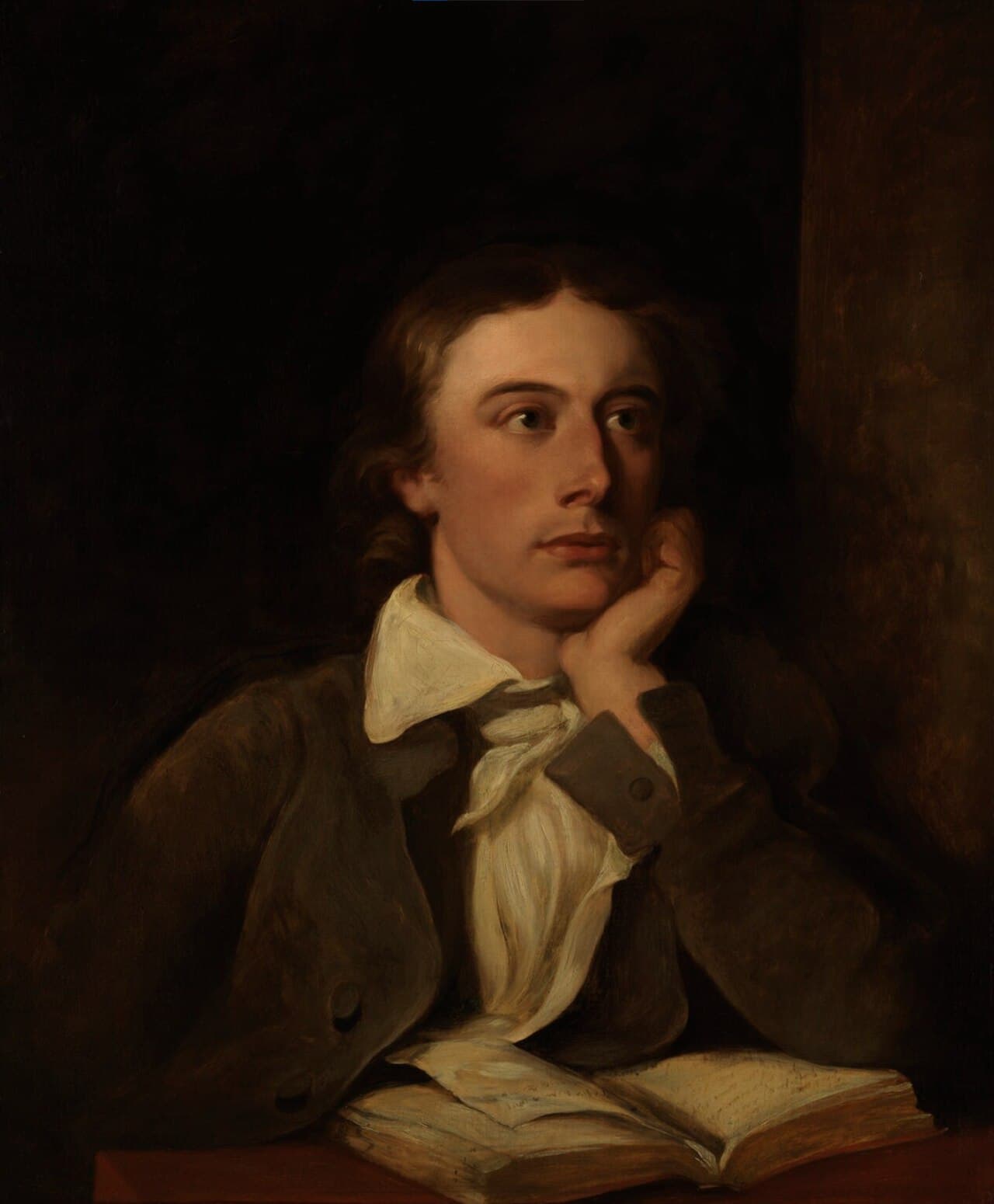
That reputation is all the stranger given what the disease did. In 1815, one in four deaths in England was due to 'consumption', the usual 19th-century English name for tuberculosis, and by 1918 it still caused one death in six in France. Long before, the writer John Bunyan had called it 'the captain of all these men of death.' In the 1800s it became common among the urban poor and caused widespread public concern.
The disease also became a recurring theme in the arts. It runs through Puccini's opera La bohème and Verdi's La Traviata, and Thomas Mann set The Magic Mountain in a sanatorium. Not every reaction was so lyrical, though: in 19th-century New England, when one family member died of the disease and others then slowly lost their health, people believed the first victim was draining the life from the rest, like a vampire.
Science, meanwhile, was pinning down the disease itself. In 1882 Robert Koch identified the bacillus responsible, work that won him a Nobel Prize in 1905. Treatment was grim: around 1916, even in the best 'fresh air' sanatoria, half of those who entered died within five years. Whatever poetry people found in tuberculosis, the disease itself was a mass killer.
Quiz me
0/3
Recap
A nickname like 'the romantic disease' tells you about a culture's storytelling, not about the disease itself: tuberculosis caused nearly a quarter of deaths in 19th-century Europe.
Surprising fact · 19th-century New Englanders explained repeated tuberculosis deaths in one family as vampirism, believing the first victim drained life from relatives after death.
Sources (1)
No source, no claim. Every fact in this lesson (12 claims) cites at least one of these.