Why did Kafka want his work burned, and why wasn't it?
Kafka's last request was that everything be 'burned unread'. His best friend had already told him no.
▶ Start the storyNobody knows Kafka's exact reasons, but everything points to a writer who was deeply dissatisfied with his own work. He finished none of his novels and burned around 90 percent of what he wrote himself. Before he died of tuberculosis in 1924, aged 40, he left his friend Max Brod a note: everything he left behind, diaries, manuscripts, letters, sketches, was to be "burned unread". His friend later said Kafka was hostile to his own drawings, even more than to his writing.
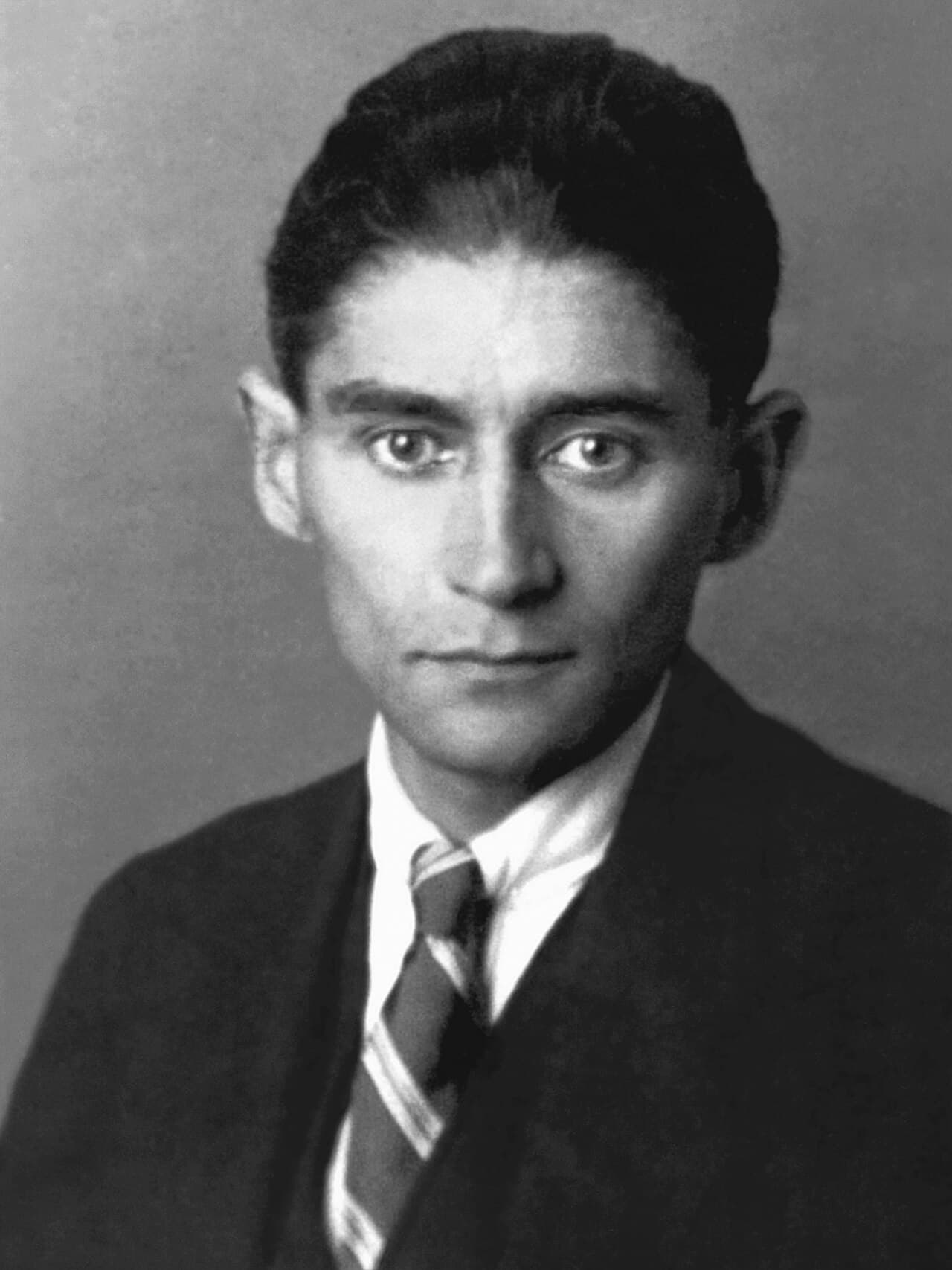
So why did it survive? Because Kafka asked the one person who had told him no. Brod said he had warned Kafka, "I shall not carry out your wishes", and argued that Franz "should have appointed another executor" if he had really meant it. Brod, who already called him "the greatest poet of our time", published The Trial in 1925, The Castle in 1926 and Amerika in 1927. Acclaim followed, and today the word "Kafkaesque" is part of the language.
The papers then had their own Kafkaesque adventure. In 1939, as the Nazis occupied Prague, Brod fled to Palestine with a suitcase of Kafka's notes, diaries and sketches. His secretary Esther Hoffe inherited them, sold the manuscript of The Trial for 2 million dollars, and her family fought the National Library of Israel in court for years until the Israeli Supreme Court gave the papers to the library in 2016.
Kafka's last love, Dora Diamant, also kept 20 notebooks and 35 letters in secret, but the Gestapo confiscated them in 1933. Scholars are still searching for them.
Quiz me
0/3
Recap
Kafka was his own harshest critic and burned most of his work himself, but he left the rest to the one friend who had refused to burn it.
Surprising fact · Brod had told Kafka in advance that he would never carry out the request.
Connects to
Sources (2)
No source, no claim. Every fact in this lesson (18 claims) cites at least one of these.