How can differences in DNA tell when two species parted ways?
Count the differences between two species' DNA, and you get a rough idea of when they split. It works a bit like dating rocks by radioactive decay.
▶ Start the storyMany DNA changes build up at a roughly steady rate. So if you count the differences between two species, you get a rough estimate of how long ago they split. This is called the molecular clock.
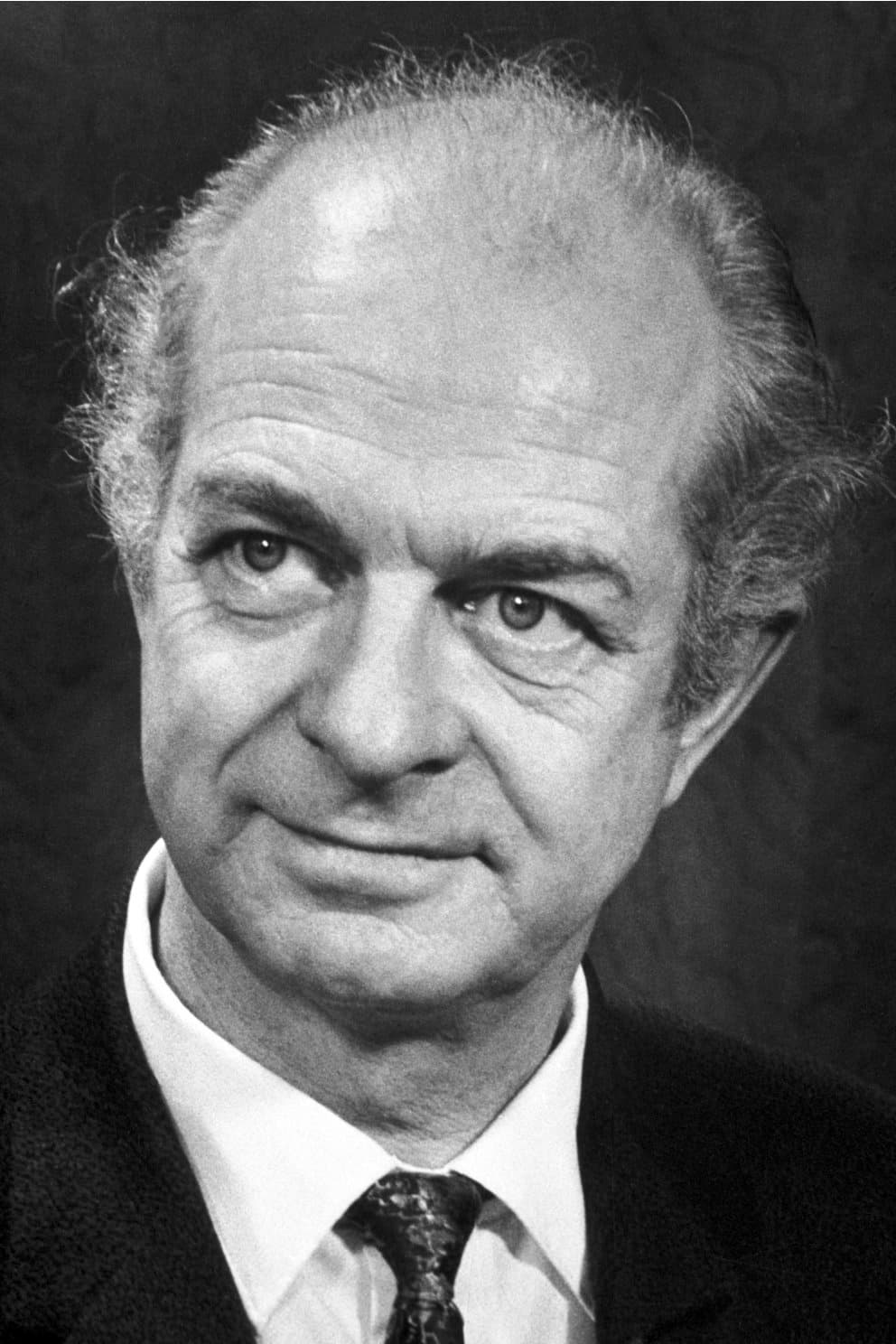
The idea began in 1962. Émile Zuckerkandl and Linus Pauling compared the blood protein haemoglobin across animals. The number of differences between two lineages grew roughly in line with the time since they split, as dated by fossils. They proposed that each protein changes at a roughly constant rate, in every lineage.
Why would it? Many mutations are neutral: they neither help nor hurt, so selection ignores them. If most changes are neutral, they pile up at a clock-like rate, equal to the rate at which neutral mutations arise. Think of sand running through an hourglass.
In 1967, Vincent Sarich and Allan Wilson used another blood protein, albumin, to time the split between humans and chimpanzees. Their answer was only about 4 to 6 million years ago. Estimates have varied widely since, from 13 to 5 million years. A 2022 study suggested 6.6 to 4.7 million.
The clock has limits. DNA alone says nothing about absolute dates, so the clock must be calibrated, usually with fossils. And it doesn't tick at the same speed everywhere. Many turtles have a clock that runs at one-eighth the speed of small mammals', or even slower.
Quiz me
0/3
Recap
Because many mutations are neutral, they accumulate at a roughly steady rate, so counting DNA differences between species gives a rough clock for when they split.
Surprising fact · A 1967 study of one blood protein dated the human-chimpanzee split to 4 to 6 million years ago, a range that overlaps a 2022 estimate of 6.6 to 4.7 million.
Sources (2)
No source, no claim. Every fact in this lesson (16 claims) cites at least one of these.