How does natural selection actually change a species?
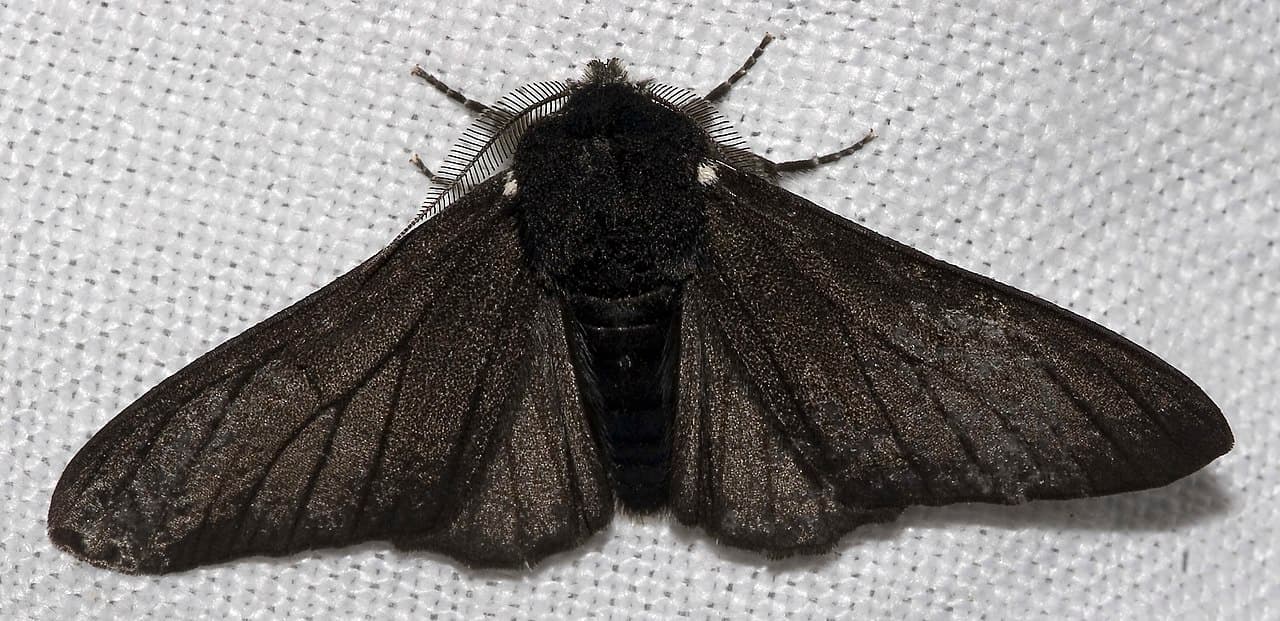
In 1848 a black peppered moth was a rarity in Manchester. By 1895, 98% of them were black. Nobody designed it: birds did the choosing.
▶ Start the storyNatural selection changes a species without anyone choosing anything. Individuals in every population vary, some of those differences are inherited, and the ones that help their owners survive and breed get passed on more often. Generation after generation, the helpful traits become more common, as long as the environment keeps favouring them. What counts is not living long but leaving surviving offspring: a creature that lives half as long but raises twice as many young spreads its genes faster.
The peppered moth is the classic case. Before England's Industrial Revolution, almost all were pale and well hidden on light lichens and bark, while birds picked off the rare dark ones. Then soot blackened the trees around industrial cities. After 1848, dark moths rapidly became common around Manchester, and by 1895 they made up 98%. In the 1950s Bernard Kettlewell showed why: birds easily spotted and ate whichever moth stood out against its tree. When clean air laws cut pollution, the pale form took over again.
The idea came to two people at once. Alfred Russel Wallace, lying in bed with a fever in the Malay Archipelago, thought of it and sent his paper to Charles Darwin, who was already preparing his own work on the subject. Their work was presented together in 1858, and Darwin rushed out On the Origin of Species in 1859. Wallace, far away and not consulted, was simply happy to be included.
Remarkably, neither man knew how inheritance worked; genetics didn't exist yet. Today we can watch selection in real time, from finch beaks that change with El Niño cycles to bacteria that evolve resistance to antibiotics.
Quiz me
0/3
Recap
Variation plus inheritance plus unequal reproduction: traits that help leave more copies, and the population slowly shifts.
Surprising fact · Wallace came up with natural selection while lying in bed with a fever, and his letter pushed Darwin to rush out On the Origin of Species.
Sources (4)
No source, no claim. Every fact in this lesson (29 claims) cites at least one of these.