Is there really a lake beneath the Paris Opera House?
Builders hit groundwater that eight steam pumps running day and night couldn't clear. What they built instead fed the legend behind The Phantom of the Opera.
▶ Start the storyNot a natural one, but there really is water down there. When the Palais Garnier was built, from 1861 to 1875, it needed a much deeper basement under the stage than most buildings, and the groundwater turned out to be unexpectedly high. The architect, Charles Garnier, solved it with a double foundation around an enormous concrete cistern, the cuve, which relieves the pressure of the groundwater on the basement walls and serves as a water reserve in case of fire.
The water put up a real fight first. Wells were sunk in February 1862, and in March eight steam pumps were installed and run 24 hours a day, yet the site would not dry up. The cistern was Garnier's way of living with the water instead of beating it.
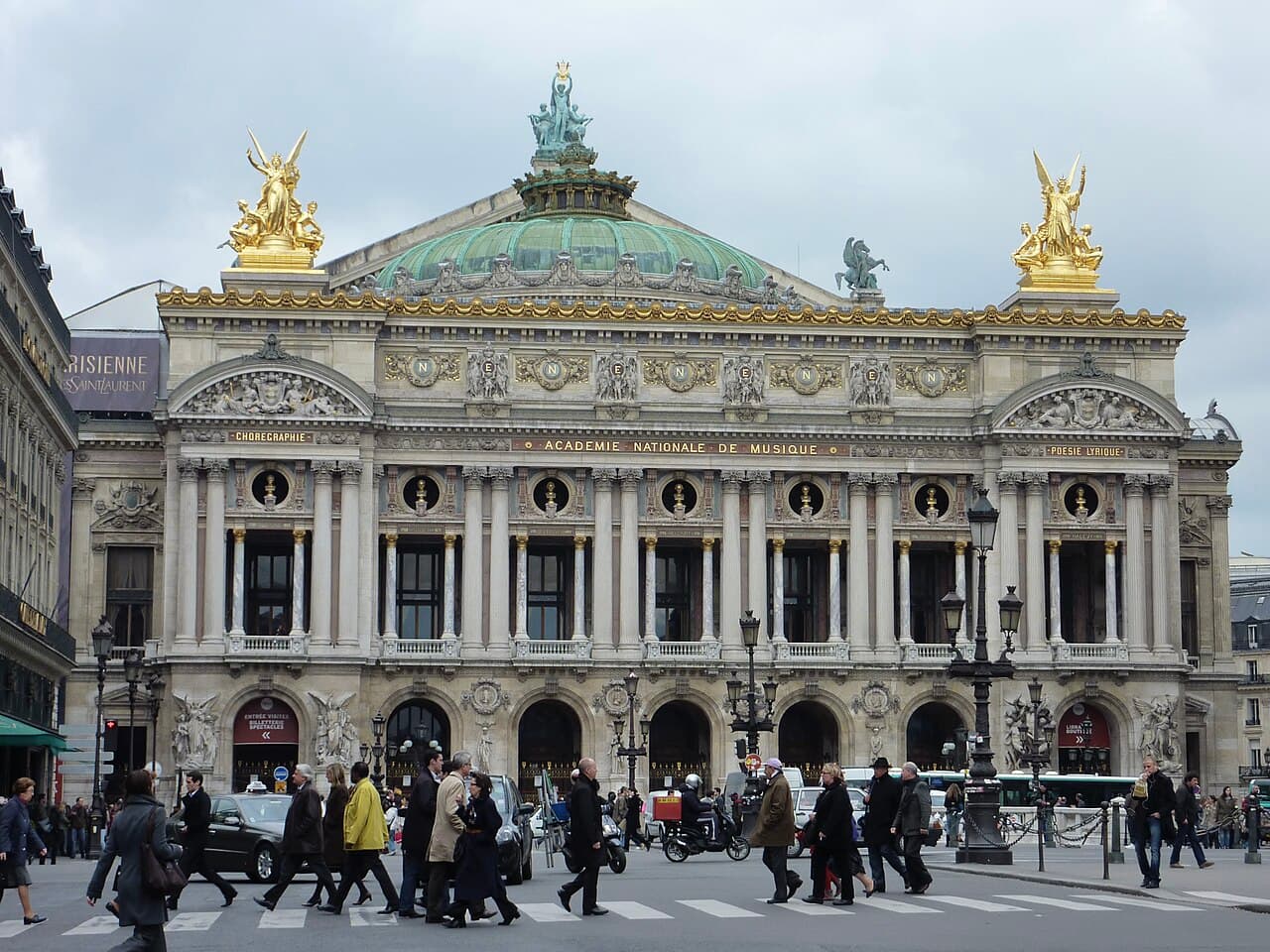
Soon a persistent legend arose that the opera house stood over a subterranean lake, and Gaston Leroux put it into his 1910 novel The Phantom of the Opera. Thanks partly to that novel and especially its films and the 1986 musical, the building has been called "probably the most famous opera house in the world". The new building itself had a dramatic origin: an assassination attempt on Napoleon III at the entrance of the old opera house in 1858 showed the need for a safer entrance for the head of state.
8
Quiz me
0/3
Recap
There's no real lake under the Paris Opera House, but there is a huge cistern built to handle groundwater and fires, and the lake legend became world-famous.
Surprising fact · Eight steam pumps running continuously from March 1862 still couldn't dry out the opera house's foundations, forcing the architect to build a giant concrete cistern instead.
Sources (1)
No source, no claim. Every fact in this lesson (11 claims) cites at least one of these.