Why was bronze a luxury even though copper was everywhere?
Copper could be found almost anywhere. Tin, almost nowhere, and that gap kept bronze rare and expensive in many places for the whole Bronze Age.
▶ Start the storyBecause bronze needs tin, and tin is rare. Bronze is an alloy of copper and tin, and while copper is very common, tin occurs in relatively few places, so in many areas bronze stayed rare and expensive. Making bronze meant mining tin ore, smelting it separately, and carefully combining it with hot copper — a supply chain that, in the Aegean world around 3200 BC, already stretched from tin mines and charcoal producers to copper smelters on Cyprus and traders who carried the finished bronze far beyond. Isotope analysis of some Mediterranean bronze objects even suggests their tin travelled all the way from Britain.
That scarcity shaped who got to use bronze. In some societies, ordinary farmers kept working with stone tools for most of the Bronze Age while bronze itself went to weapons and elite art, like the elaborately decorated ritual bronzes of ancient China. Because it stayed valuable, bronze was also recycled relentlessly, which is part of why archaeologists still argue over exactly how much of it existed at any one time; much of what was made was eventually melted down and remade into something else.
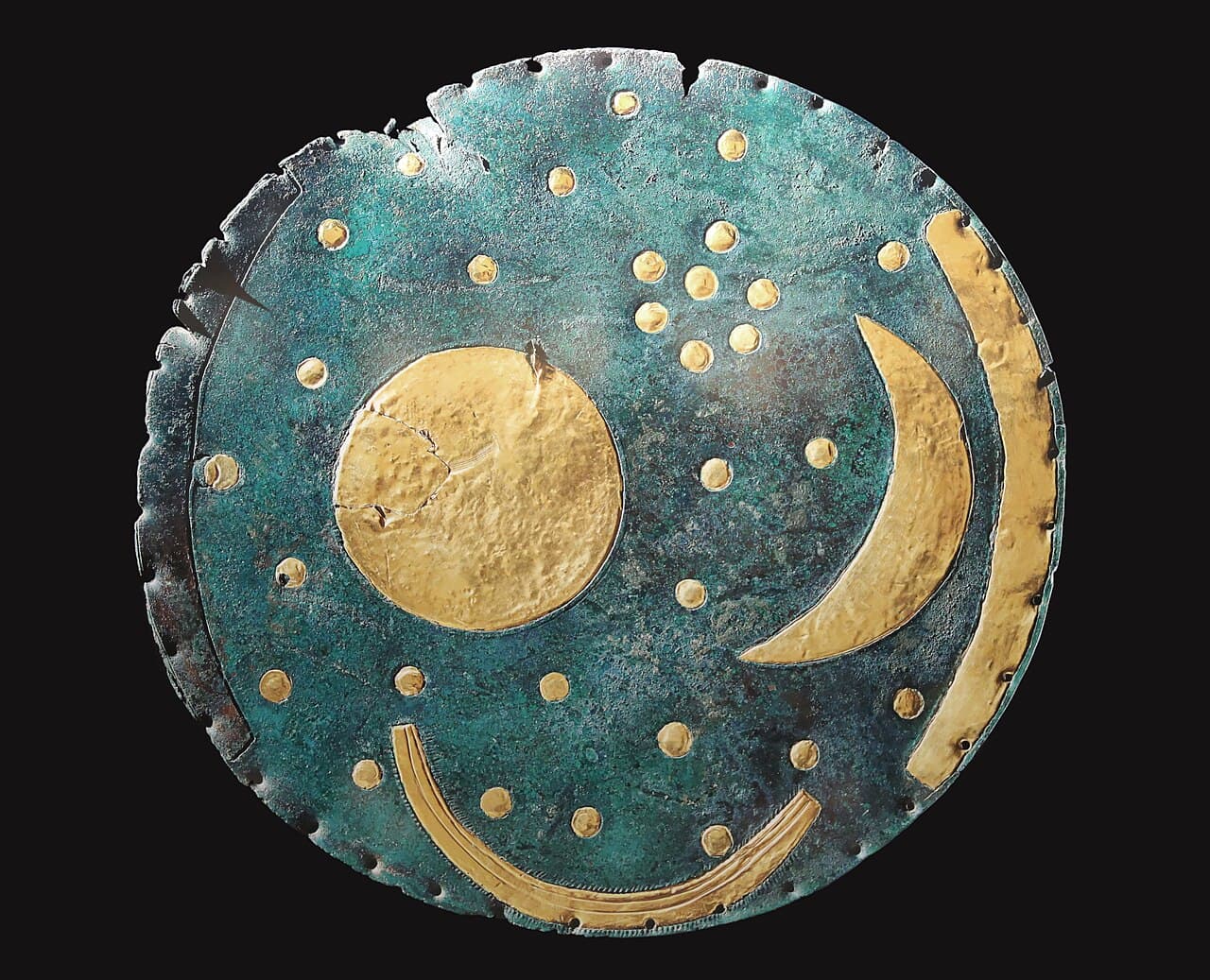
Bronze had real advantages: it was harder and more durable than the other metals available at the time. Copper melts at 1,085°C and tin at just 232°C, within the reach of Neolithic pottery kilns that could already produce at least 900°C by 6000 BC. Iron is abundant, but smelting it takes 1,250°C and working it is harder, which kept it out of common use until the end of the 2nd millennium BC. One theory holds that once iron tools became common, the main reason for the long-distance tin trade disappeared, and that trade network stopped working as before, a factor in the Aegean Bronze Age collapse.
Quiz me
0/3
Recap
Bronze was harder and more durable than other metals of its time, and its ingredients melted at temperatures early kilns could reach, while iron needed much hotter smelting.
Surprising fact · Some Mediterranean Bronze Age objects contain tin whose isotopes match sources as far away as Britain.
Sources (1)
No source, no claim. Every fact in this lesson (13 claims) cites at least one of these.