Why do some things sell better when they cost more?
The law of demand says higher prices mean fewer buyers. For some luxury goods, the opposite happens, and the price is the point.
▶ Start the storyBecause for some goods, the high price is what people are buying. Normally, when something gets more expensive, fewer people want it: that's the law of demand. But for certain luxury goods, demand rises as the price rises. Economists call them Veblen goods. A steep price turns an object into a status symbol, something few others can own, and owning it tells the world you can afford it.
Ordinary good
- Fewer people want it
- Demand curve slopes down
- Price is a cost to avoid
Veblen good
- More people want it
- Demand curve slopes up
- Price is part of the appeal
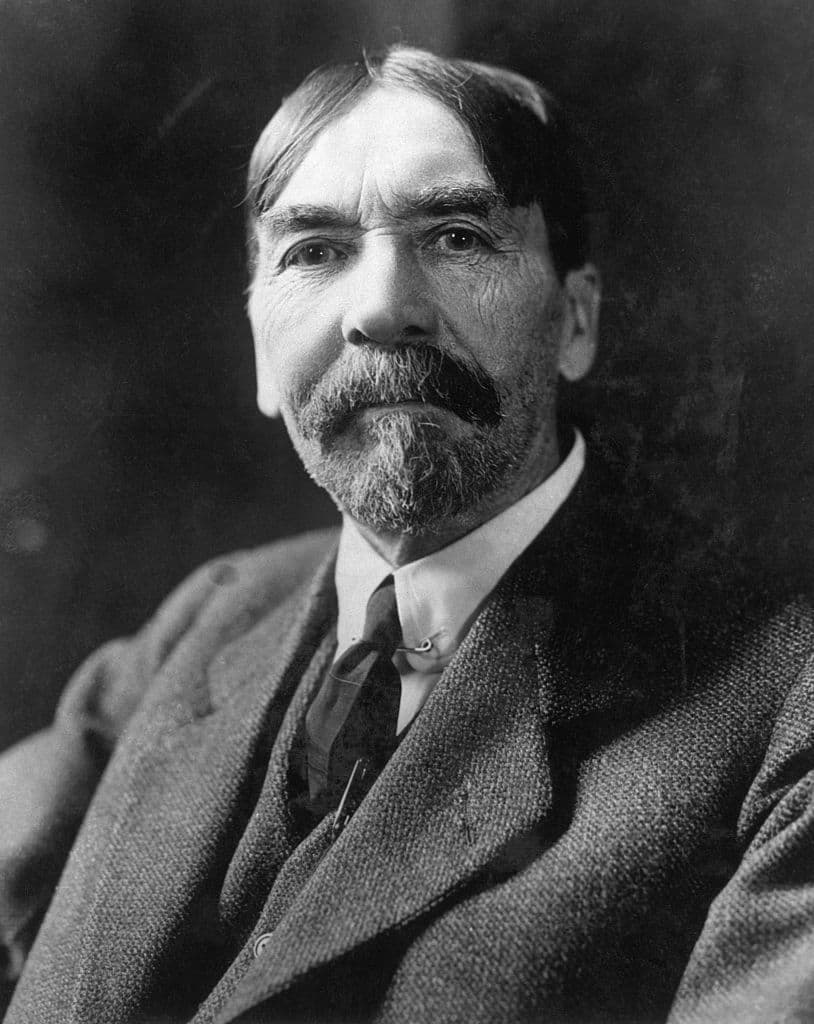
The idea comes from Thorstein Veblen, an American economist born in 1857 to Norwegian immigrant parents in Wisconsin. In The Theory of the Leisure Class, published in 1899, he described conspicuous consumption, a way of seeking status that we now call keeping up with the Joneses. He defined it, bluntly, as spending more money on goods than they are worth. There's a nice irony in his own story: after finishing that famous book, he asked the University of Chicago for a raise and was turned down.
This upside-down demand has a twist for sellers. Cutting the price of a Veblen good may boost sales at first, but it eventually lowers demand, because a cheaper status symbol signals less status. A related belief also helps high prices: many people assume a low price means the maker cut corners, or as the saying goes, you get what you pay for. Not everyone plays along, though. Some consumers show off thrift instead, preferring goods more as they get cheaper, and in downturns buyers drift away from flashy logos towards luxuries that whisper rather than shout.
Quiz me
0/3
Recap
For a Veblen good, the price isn't a barrier to the sale; it is the product.
Surprising fact · Thorstein Veblen, who named conspicuous consumption, was refused a raise after writing his famous book about it.
Sources (3)
No source, no claim. Every fact in this lesson (20 claims) cites at least one of these.