Are we born with grammar already in our heads?
Some linguists think every baby arrives with a built-in blueprint for language. Others think babies are just superb pattern-learners. The fight isn't over.
▶ Start the storyMaybe, but nobody has proved it, and linguists are still deeply split. Universal grammar is the theory, usually credited to Noam Chomsky, that humans are born with built-in constraints on what a possible human grammar can look like. Children wouldn't learn language from scratch: they'd fit what they hear into a framework they already have.
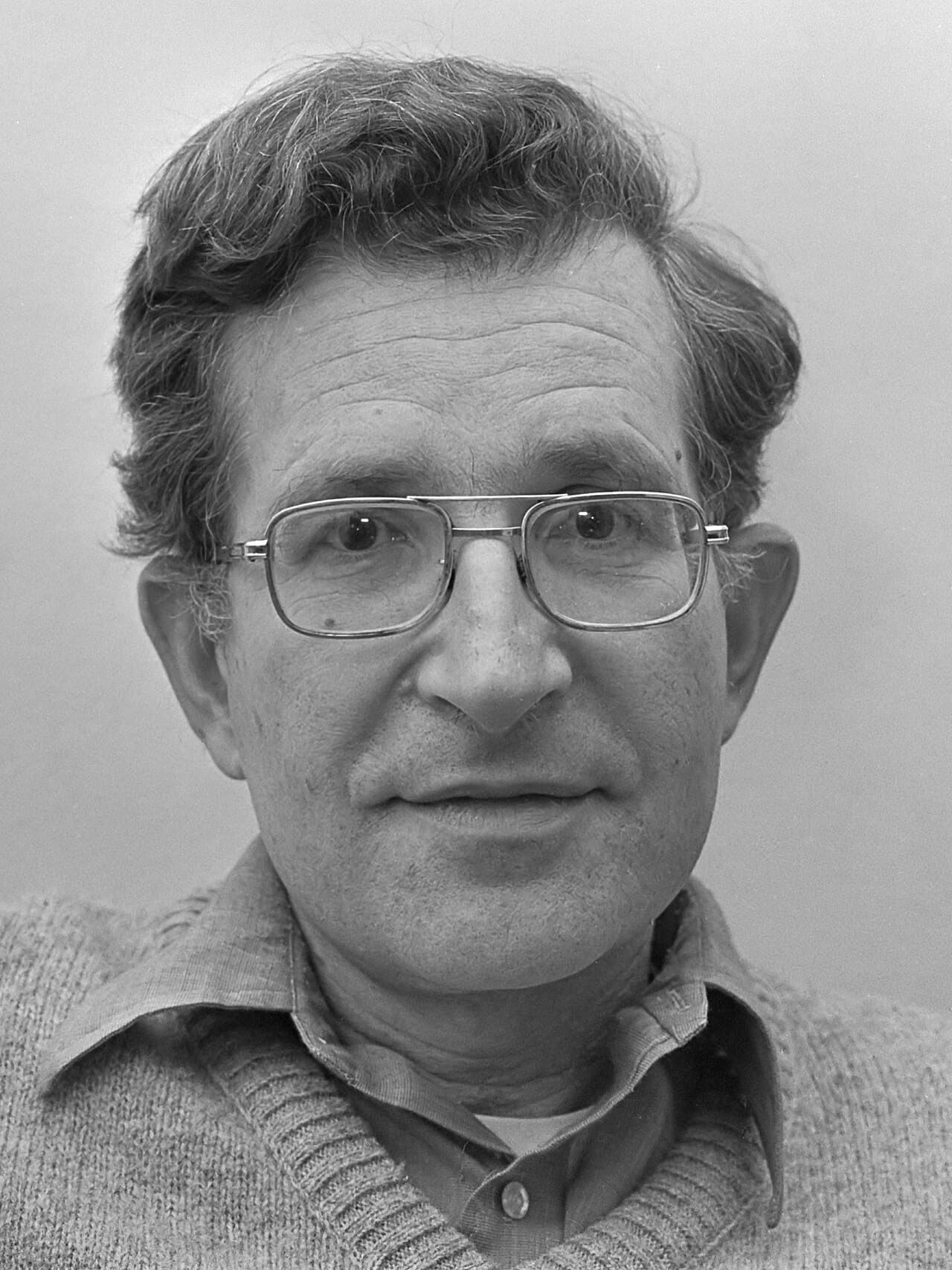
The classic argument comes from children's mistakes. Learning to form yes-or-no questions in English, children could in principle try a simple rule like "swap the first two words". They never seem to. Their errors fit rules based on the hidden tree structure of sentences, as if they already knew grammar is built from nested chunks, not word order alone. Supporters also point to creole languages, where children turn the patchy pidgin of their parents into a full, systematic grammar.
Critics push back hard. Some say languages are so diverse that true universals are rare. Others note that children overgeneralise, saying "goed" and "eated", then correct themselves, which looks like ordinary learning from patterns. The linguist Geoffrey Sampson argues the theory can't be falsified, and that children are good at language because people are good at learning anything. The fight even reached the Amazon, when Daniel Everett claimed the Pirahã language lacked a feature Chomsky's theory relies on, and other linguists answered that it doesn't.
Even within Chomsky's own tradition, "universal grammar" is a placeholder: a name for whatever part of language turns out to be innate.
Quiz me
0/3
Recap
Everyone agrees children bring something to language; the argument is over how much is built in and how specific it is.
Surprising fact · Children learning English questions never seem to try the simplest rule, 'swap the first two words'.
Connects to
Sources (2)
No source, no claim. Every fact in this lesson (25 claims) cites at least one of these.